

Welcoming Change
How to find beauty and appreciation in the natural cycle of flaws and transitions.

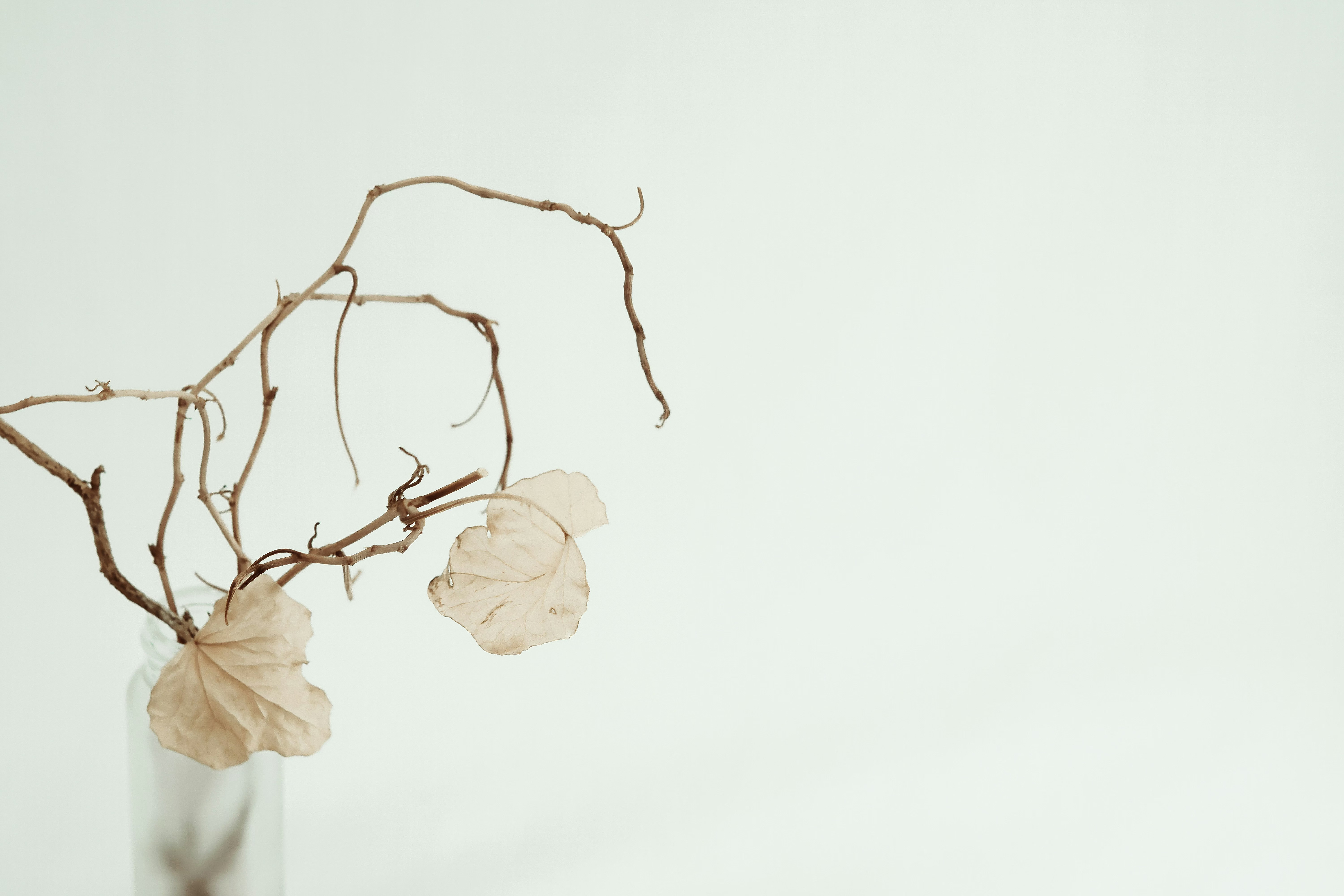
“It bears repeating: there is no single way to live your life; there is no single career path; there is no perfect way to build your career. There is only evolving it, and it’s up to you if you choose to do that in a way that brings you delight.” ~Beth Kempton, Wabi Sabi: Japanese Wisdom for Perfectly Imperfect Life
When we notice beauty in things that seem broken or flawed, we connect with their true nature and with people who wear their imperfections with quiet grace. Wabi-Sabi, a Japanese way of seeing the world, teaches us to find beauty in what is unfinished, imperfect, and temporary—in ourselves, our lives, and everything around us. It means honoring what is old, rusty, or weathered and recognizing the value in the natural cycle of life and death. This philosophy is the opposite of perfect, mass-produced, machine-made items. Instead, it values naturalness, simplicity, and authenticity.
Life reminds us that everything is temporary. Nothing on earth avoids the cycle of growing and fading, and we can learn to appreciate every stage in ourselves and others. Your value and inner light stay the same throughout your life, even as you change. Scars may seem like injuries, but instead of taking away from your beauty, they add wisdom and gentleness.
The words “wabi” and “sabi” do not have exact translations, but together they form “Wabi-Sabi,” which describes a way of looking at life. Wabi means a quiet, simple beauty, whether made by people or found in nature. When something has a small flaw, it becomes unique and special. Sabi is about seeing beauty in things as they age and appreciating the cycles of life. People and objects show their age and growth with dignity, and damage does not mean the end. It can be a new beginning.
When I started to bring this philosophy into my life, I realized my scars showed that I was alive, not flawed. My inner hurts softened my misunderstandings. Instead of ignoring my pain, I faced it, and I found that light could shine through the cracks I once tried so hard to cover up.
One of the most personal ways I’ve come to understand Wabi-Sabi is through an injury to my right knee. It happened over a year ago, on a morning playing beach tennis, one of those days that felt endless and alive. I remember stepping into an empty space in the sand, hyperextending my knee, and a sharp, unexpected pain, the way my body crumpled into the sand, and the disbelief that followed. In an instant, the effortless joy of movement I had always taken for granted was gone. I lost not just a sport, but a piece of my daily life and a part of myself I thought was unshakable.
At first, I felt loss of strength, of routine, and a part of my identity. But as weeks turned into months, I realized that life was teaching me a slower rhythm. My body needed time to heal, and my spirit needed time to accept. I began to notice the subtle ways my knee changed and how the scar tissue formed, reminding me that all living things must endure cycles of decay and renewal. This injury became a gentle teacher, showing me that even what feels broken carries beauty and wisdom.
Through accepting my limitations, I learned to honor the Wabi-Sabi truth that nothing lasts, nothing is finished, and nothing is perfect. The quiet process of recovery, full of setbacks, patience, and new appreciation for small movements, helped me see that my body, though changed, was not less worthy of love or gratitude. My knee, with its scars and aches, is now a symbol of impermanence and resilience. In its imperfection, I find a new kind of grace. When you use Wabi-Sabi in your life, you stop expecting perfection and start to feel less pain. You are not broken and never have been. By accepting your flaws, you begin to understand yourself better. This self-understanding is the first step to seeing others more clearly, too.
Being in the flow means knowing and accepting your flaws. Love yourself because of your imperfections. If you wait to be perfect before you start living fully, you miss out on happiness surrounding you now. When you look inside, you find beauty and perfection, built on everything you have experienced.
“There is beauty in every emotion. The more we allow ourselves to feel, the closer we get to that ravishing sense of aliveness and awe, even in the midst of challenging experiences.” ~Beth Kempton, Wabi Sabi: Japanese Wisdom for Perfectly Imperfect Life
Pause and reflect on what you struggle to accept about yourself or someone you care about. You might want to write down what you see as flaws. When you’re done, ask yourself if these things matter and what they might reveal about you.
Whenever you feel broken or let down, remember Wabi-Sabi. There is something valuable inside you, and everything you have been through has brought you to this moment. When you truly love yourself, you stop seeing imperfections.
Thank you for reading this week’s The Art of Flow.
May the flow be with you now and always! 🙏🏽
With love,
Yoli
Timely and profound, Yolanda. Thanks for sharing.
Beautifully inspiring, thank you ❤️🙏